Low testosterone
Low Testosterone Signs, Testing and Treatment: What Men Should Know
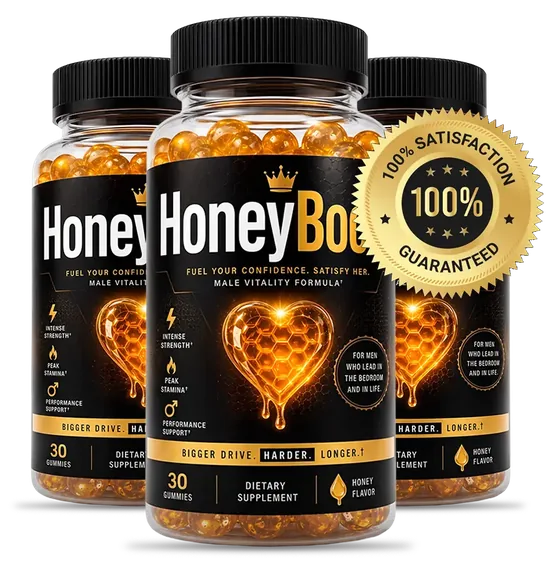
Low testosterone is a blood level below about 300 ng/dL, confirmed on tests plus symptoms such as lower sex drive. Low testosterone signs also fit stress, poor sleep and other conditions, so a clinician orders the testosterone test, usually two morning samples. HoneyBoost gummies are a supplement, not a test or a therapy.
Written by the HoneyBoost label deskUpdated
The basics01
What is low testosterone?
Low testosterone is a blood level of the hormone that a clinician judges to be too low, together with symptoms. Cleveland Clinic says providers consider levels below 300 nanograms per deciliter (ng/dL) low in adults, and calls the combination of low levels and symptoms male hypogonadism (Cleveland Clinic, Low Testosterone).
Testosterone falls slowly with age. Mayo Clinic puts the drop at about 1% a year after age 30 or 40, and says treating normal aging with testosterone therapy is not advisable (Mayo Clinic, Testosterone Therapy and Aging).
So a lower number than you had at 25 is not a diagnosis. A diagnosis needs symptoms and repeated low results.
HoneyBoost is a gummy dietary supplement. It is not a hormone, not a test and not a therapy, and no study has tested it.
Signs02
What are the signs of low testosterone?
The signs are lower sex drive, fewer morning erections and trouble getting or keeping an erection, plus low mood, trouble with memory or focus, more body fat and less muscle strength. Cleveland Clinic calls the sexual symptoms the most specific (Cleveland Clinic, Low Testosterone).
None of these signs proves low testosterone. Mayo Clinic lists heart disease, diabetes, obesity, some prescription medicines, depression and stress among causes of erection problems, so the same complaint can come from many places (Mayo Clinic, ED Symptoms and Causes).
| Sign | Group it belongs to | Other causes to rule out |
|---|---|---|
| Lower sex drive | Sexual (most specific) | Stress, mood, some medicines |
| Fewer morning erections | Sexual (most specific) | Blood vessel disease, diabetes |
| Trouble getting or keeping an erection | Sexual (most specific) | Heart disease, high blood pressure, obesity |
| Low mood, poor focus | General | Depression, anxiety, stress |
| More body fat, less muscle strength | Body | Inactivity, diet, age |
Erection trouble can also be an early sign of heart disease. See erectile dysfunction basics.
Testing03
How does a testosterone test work?
A testosterone test is a blood draw, usually a total testosterone level taken in the morning, when levels are highest. Cleveland Clinic says testing usually needs two separate morning samples (Cleveland Clinic, Low Testosterone).
The Endocrine Society guideline says to diagnose hypogonadism only in men with symptoms and signs of testosterone deficiency and consistently low results. It names a fasting morning total testosterone with a reliable assay as the first test, repeated to confirm. Free testosterone is checked when the total is near the low end of normal or when SHBG, a binding protein, is altered (Bhasin 2018, Endocrine Society Testosterone Guideline).
Tell the clinician your symptoms
Say what changed, when, and what you take, including supplements.
First morning blood sample
A total testosterone level, often fasting.
Repeat to confirm
A second morning result shows whether the first was a one-off.
Look for causes
Blood tests can also check for signs of heart disease and diabetes (Mayo Clinic, ED Diagnosis and Treatment).
Tell the lab about supplements. Memorial Sloan Kettering notes maca may interfere with some testosterone immunoassays (MSK, Maca). HoneyBoost lists maca extract at 10 mg per gummy.
Care04
How is low T treated?
Low T treatment is a decision for a clinician, made only after symptoms and repeated low results are confirmed. Testosterone therapy is a prescription medicine, and a supplement gummy is not a substitute for it or for the work-up.
The Endocrine Society guideline advises against starting therapy in men who plan to have children soon and in men with breast or prostate cancer, among other conditions (Bhasin 2018, Endocrine Society Testosterone Guideline). That is why the order is test first, then a plan.
If a clinician starts a plan, follow it. Do not stop or change a prescribed medicine because you started a supplement. Ask your doctor or pharmacist first.
This site sells a supplement. It does not diagnose or treat low testosterone, and the HoneyBoost label says so in the FDA box: the product is not intended to diagnose, treat, cure, or prevent any disease.
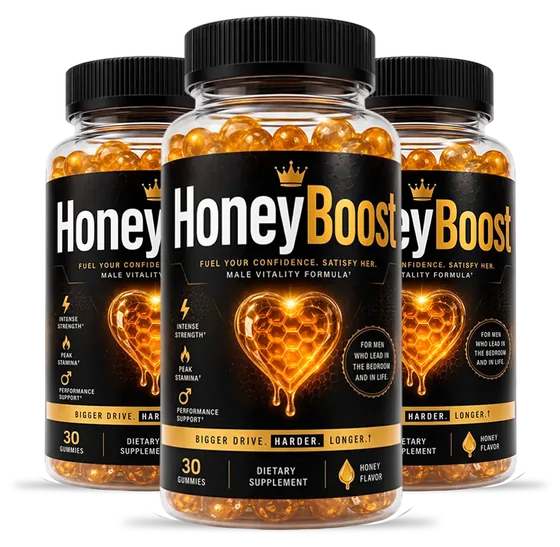
HoneyBoost: from $49 a bottle30 gummies a bottle · 2, 3 or 6 bottles · shipping shown at checkout · 60-day money-back guarantee
See packsSupplements05
Do supplements fix low testosterone?
No source shows that a supplement fixes confirmed low testosterone. A review of 52 studies on 27 proposed boosters concluded that most fail to increase total testosterone (Morgado 2024, T-Booster Evidence Review (IJIR)).
A study of 50 products sold as "testosterone booster" found 61.5% of them had no data on testosterone at all (Clemesha 2020, T-Booster Claims (WJMH)). Cleveland Clinic goes further: if symptoms bother you, avoid over-the-counter supplements and see a provider (Cleveland Clinic, Low Testosterone).
HoneyBoost holds zinc 2.5 mg and six extracts of 10 to 25 mg. Tongkat ali is the one ingredient the review called "possibly effective", and its trial used 200 mg of extract against 25 mg here (Leitao 2021, Tongkat Ali RCT in Aging Males (Maturitas)). Zinc raised testosterone in nine older men who were low in zinc (Prasad 1996, Zinc Status and Testosterone). No study tested the gummy. Read the numbers in testosterone boosters explained.
| Line | Per gummy | Study amount |
|---|---|---|
| Tongkat ali extract | 25 mg | 200 mg a day for 6 months |
| Maca root extract | 10 mg | 1,500 to 3,000 mg; no change in testosterone |
| Zinc | 2.5 mg | About 30 mg a day in low-zinc older men |
When to act06
When should you see a doctor about low testosterone signs?
See a clinician when symptoms last, bother you or come with other changes. A visit comes first, before any supplement.
Take a list of your medicines and supplements. Some prescription medicines are linked to erection problems, so the answer may be a change your prescriber makes, not a hormone (Cleveland Clinic, Erectile Dysfunction).
- Erection problems that lastSee a healthcare professional, especially if you have diabetes or heart disease. ED can be the first symptom of heart disease.
- Signs of low testosteroneLow desire, low energy or fewer spontaneous erections need a blood test, usually two morning samples, not a store-bought booster.
- You take a nitrateED medicines and some supplements can drop blood pressure too low with nitrates. Ask your doctor before any sexual health product.
- A product works like a drugFast, drug-like effects from a 'natural' product can mean hidden prescription drugs. Stop it and report it to FDA MedWatch.
- Call 911 or get care nowChest pain or fainting: call 911. An erection lasting more than 4 hours: get care right away.
From Mayo Clinic (Mayo Clinic, ED Symptoms and Causes) (Mayo Clinic, ED Diagnosis and Treatment), Cleveland Clinic (Cleveland Clinic, Erectile Dysfunction) (Cleveland Clinic, Low Testosterone), NIDDK (NIDDK, Treatment for ED) and FDA (FDA, Sexual Enhancement and Energy Product Notifications) (FDA, MedWatch). This list is not complete, and a supplement is never a reason to wait.
Before you buy07
Where does a supplement like HoneyBoost fit?
A supplement fits, if at all, after a clinician has checked the cause. HoneyBoost is for adult men who want a daily gummy and accept that the label makes no promise about testosterone.
The label prints no directions, sets one gummy as the serving and carries a warning not to take it with other medications without a physician. Each gummy has 3 g of added sugar. Read the supplement facts and the ingredient review before you decide.
HoneyBoost is a dietary supplement, not a treatment. The label itself says not to take it if you are taking other medications or have a medical condition. Ask your doctor or pharmacist first if you take a nitrate, a prescription ED medicine, a blood pressure medicine, a blood thinner, Parkinson's medicine or an antidepressant, or if you have heart disease or diabetes. Keep taking prescribed medicine. See side effects and interactions.
FAQ08
Low testosterone questions
What testosterone level is considered low?
Cleveland Clinic says providers consider total testosterone below 300 ng/dL low in adults. The number alone is not enough: a diagnosis also needs symptoms, and the test is usually repeated on a second morning to confirm.
Why is a testosterone test done in the morning?
Testosterone is highest in the morning, so Cleveland Clinic says testing usually needs two separate morning blood samples. The Endocrine Society guideline names a fasting morning total testosterone as the first test, repeated to confirm.
Can you tell low testosterone from symptoms alone?
No. Low sex drive, low mood and weight gain also come from stress, depression, heart disease and diabetes. Only a blood test with symptoms, repeated and read by a clinician, supports a diagnosis of low testosterone.
Does testosterone drop with normal aging?
Yes. Mayo Clinic says testosterone declines about 1% a year after age 30 or 40. It also says treating normal aging with testosterone therapy is not advisable, so a clinician looks for symptoms and low results first.
Is HoneyBoost a low T treatment?
No. HoneyBoost is a dietary supplement in gummy form, and its label says it is not intended to diagnose, treat, cure, or prevent any disease. No study has tested it, and it is not a substitute for a testosterone test.
Should I take supplements before a testosterone test?
Tell the clinician and the lab about every supplement first. Memorial Sloan Kettering notes maca may interfere with testosterone immunoassays. Cleveland Clinic advises avoiding over-the-counter supplements if symptoms bother you and seeing a provider.
Who should not start testosterone therapy?
That is for your clinician to decide. The Endocrine Society guideline advises against starting therapy in men planning to have children soon and in men with breast or prostate cancer, among other conditions.
Who wrote this09
Written and reviewed by
Pages built from the label, the order page and linked NIH, FDA, FTC, Mayo Clinic and peer-reviewed sources.
Last updated . Read our editorial standards and how we check reviews. This website is the information site for a USA Authorized HoneyBoost Retailer. It is not the manufacturer or the distributor named on the label. We earn money when you buy through our order links.
Keep reading
More about HoneyBoost
USA Authorized HoneyBoost Retailer
Ready to try HoneyBoost?
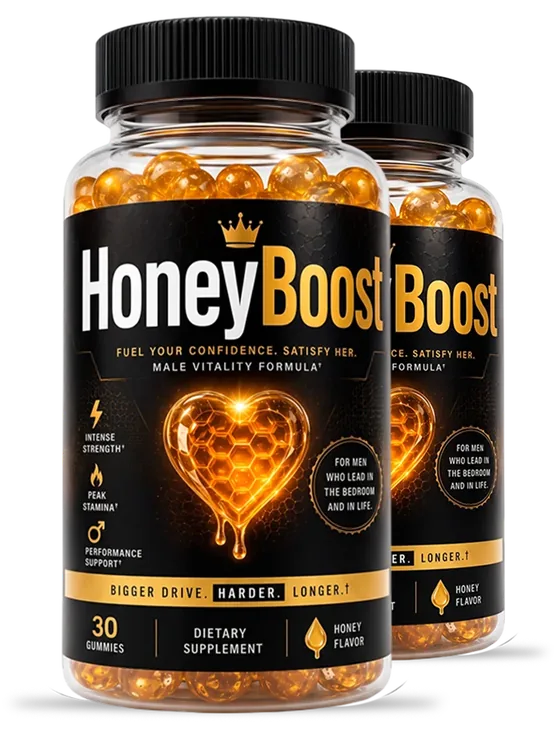
Check your medicines with your doctor or pharmacist first, then pick a pack. Six bottles cost the least per bottle; shipping is shown at checkout; every pack carries the 60-day money-back guarantee (confirm the live policy at checkout).
- Checkout on the sales site
- 60-day money-back guarantee
- Shipping shown at checkout