Blog
What Is an Herbal Extract Root Equivalent on a Label?
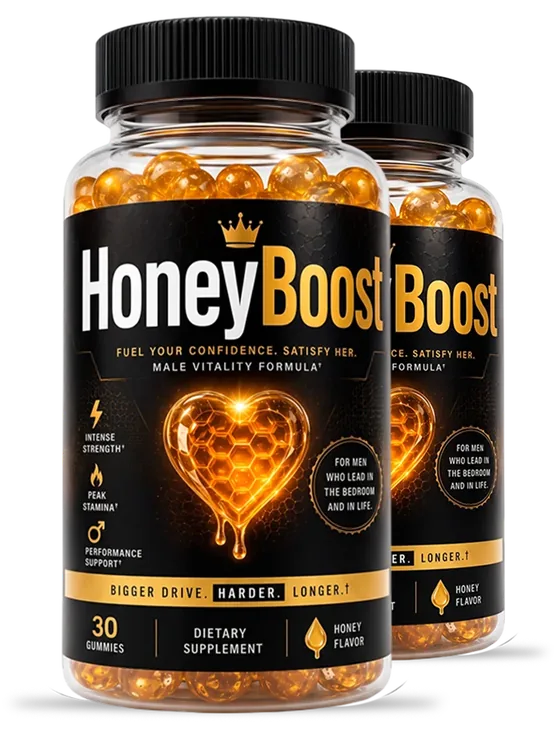
An herbal extract root equivalent is the amount of raw root that went into making the extract. The HoneyBoost label says its tongkat ali extract is equivalent to 2,500 mg root, but each gummy holds 25 mg of extract. Studies dose the extract, not the root, so the equivalent is not a dose.
Written by the HoneyBoost label deskUpdated · 4 min read
The phrase01
What does equivalent to 2,500 mg root mean?
It means the maker says the extract in each gummy was concentrated from 2,500 mg of tongkat ali root.
The gummy does not contain 2,500 mg of root. It holds 25 mg of a 100:1 extract. The big number is the starting material, and the small number is what ended up in the gummy.
| Ingredient | Extract in the gummy | Root or leaf equivalent |
|---|---|---|
| Maca root | 10 mg | 100 mg |
| Horny goat weed | 10 mg | 80 mg |
| Damiana leaf | 10 mg | 50 mg |
| Tongkat ali root | 25 mg | 2,500 mg |
What it tells you02
What can a root equivalent tell you?
It tells you how concentrated the maker says the extract is, and it lets you compare two labels that use different ratios.
A 100:1 extract at 25 mg and a 10:1 extract at 250 mg both point to 2,500 mg of plant. That lines up labels fairly (see the extract ratio post). It also exposes padding: a large equivalent next to a tiny extract amount is a sign to read the milligrams.
What it cannot03
What can a root equivalent not tell you?
It cannot tell you the dose that a study used, how much of any active compound you get, or whether the product works.
Trials dose the extract they tested, and each used its own extract. The tongkat ali trial gave 200 mg of Eurycoma extract a day for six months to 45 men with androgen deficiency (Leitao 2021, Tongkat Ali RCT in Aging Males (Maturitas)). A 2,500 mg root equivalent does not map onto that. Compare 25 mg with 200 mg: 12.5%.
A meta-analysis of five randomized trials found higher total testosterone with Eurycoma, and its authors said more research was required (Leisegang 2022, Eurycoma and Testosterone Meta-analysis). LiverTox, the NIH liver-safety database, lists liver injury as a possible rare cause (LiverTox, Tongkat Ali). Neither source tested HoneyBoost.
"Equivalent to 2,500 mg root" describes the raw material. No source here shows that this gummy delivers a study result.
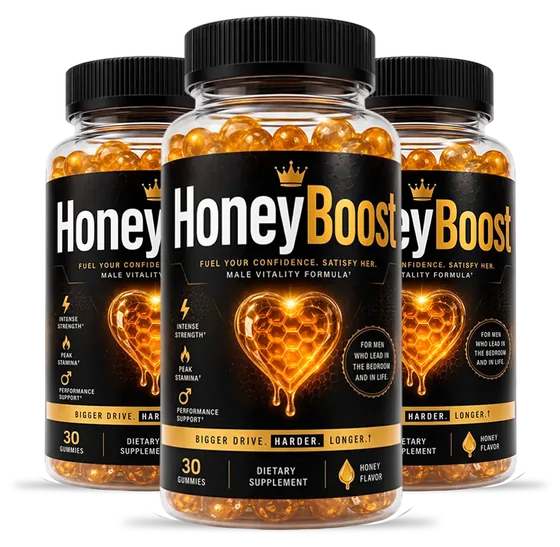
HoneyBoost: from $49 a bottle30 gummies a bottle · 2, 3 or 6 bottles · shipping shown at checkout · 60-day money-back guarantee
See packsSee the gap04
How do the printed amounts compare with studied amounts?
Each jar below is the studied amount, and the honey is the printed amount per gummy.
L-Arginine
0.67% of the studied amount
- Printed
- 10 mg
- Studied
- 1,500 mg
Drawn at 4% so you can see it; the true share is 0.7% of the lowest studied amount. (Rhim 2019, Arginine and ED Meta-analysis (J Sex Med))
Tongkat ali
12% of the studied amount
- Printed
- 25 mg
- Studied
- 200 mg
Extract against extract. (Leitao 2021, Tongkat Ali RCT in Aging Males (Maturitas))
Maca
0.67% of the studied amount
- Printed
- 10 mg
- Studied
- 1,500 mg
Root equivalent (100 mg) is used, because the maca trials used the root. (Gonzales 2002, Maca and Sexual Desire)
Mucuna
0.07% of the studied amount
- Printed
- 10 mg
- Studied
- 15,000 mg
Drawn at 4% so you can see it. By weight; a 98% extract is more concentrated than seed powder, so the L-DOPA gap is smaller than the weight gap. (Katzenschlager 2004, Mucuna in Parkinson Disease (JNNP))
Zinc
23% of the daily need
- Printed
- 2.5 mg
- Daily need
- 11 mg
(NIH ODS, Zinc)
Horny goat weed
No human dose found
- Printed
- 10 mg
- Studied
- none found
(LiverTox, Horny Goat Weed)
Damiana
No human dose found
- Printed
- 10 mg
- Studied
- none found
(MSK, Damiana)
Each jar is the amount a study used, or for zinc the daily need. The honey is what one HoneyBoost gummy prints. A studied dose says what was tested, not what works for you, and no study tested HoneyBoost. Horny goat weed and damiana show empty dashed jars because we found no human dose to compare.
Your move05
What should you check on any label with a root equivalent?
Check that the extract amount is printed, that the ratio matches the equivalent, and that the label names a part of the plant.
- Does the line print the extract milligrams, not just the equivalent?
- Does the ratio times the milligrams equal the equivalent?
- Is any lab report published for the lot?
HoneyBoost passes the first two, since every line prints its amount and there is no proprietary blend. No lab report is published, and the label names no manufacturer. See the Supplement Facts walkthrough for the full panel.
If you take medicine or have liver, heart or hormone concerns, show a clinician the label before you start. Keep any prescription as directed.
FAQ06
HoneyBoost questions people ask
Is 2,500 mg root equivalent a high dose?
It is not a dose at all. It is the raw root the maker says went into the extract. The gummy holds 25 mg of extract. The small trial dosed 200 mg of extract, so compare extract to extract.
Why do supplement labels list a root equivalent?
The equivalent lets readers compare extracts made at different ratios. It is a manufacturing figure the maker supplies. No outside lab is named on the HoneyBoost label, so the seller is the one to ask for support.
How do I check whether a root equivalent is correct?
Multiply the extract milligrams by the first number of the ratio and compare the result with the printed equivalent. For HoneyBoost tongkat ali, 25 times 100 is 2,500. A certificate of analysis for the lot would go further.
Who wrote this07
Written and reviewed by
Pages built from the label, the order page and linked NIH, FDA, FTC, Mayo Clinic and peer-reviewed sources.
Last updated . Read our editorial standards and how we check reviews. This website is the information site for a USA Authorized HoneyBoost Retailer. It is not the manufacturer or the distributor named on the label. We earn money when you buy through our order links.
Keep reading
More about HoneyBoost
USA Authorized HoneyBoost Retailer
Ready to try HoneyBoost?
Check your medicines with your doctor or pharmacist first, then pick a pack. Six bottles cost the least per bottle; shipping is shown at checkout; every pack carries the 60-day money-back guarantee (confirm the live policy at checkout).
- Checkout on the sales site
- 60-day money-back guarantee
- Shipping shown at checkout