Blog
What Does a 10:1 Extract Mean on a Supplement Label?
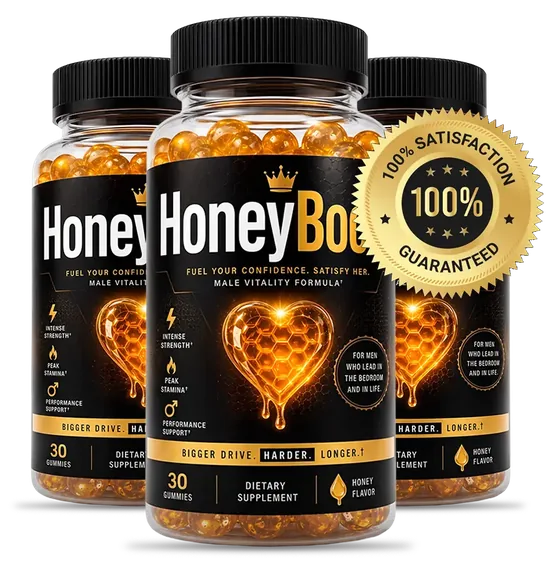
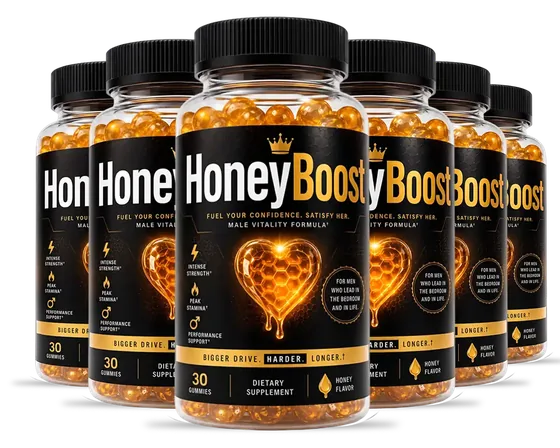
A 10:1 extract means about 10 parts of dried plant went into making 1 part of extract. On the HoneyBoost label, maca is 10:1, horny goat weed 8:1, damiana 5:1 and tongkat ali 100:1. The ratio describes how the extract was made. It does not tell you how much of any active compound is inside.
Written by the HoneyBoost label deskUpdated · 4 min read
The ratio01
What does 10:1 extract mean?
A 10:1 extract is a concentrate made from roughly 10 parts of dried plant material for each 1 part of finished extract.
The first number is the plant. The second number is the extract. A higher first number means more plant was used up per unit of extract. So 100:1 is a heavier concentration step than 5:1.
That is a statement about the process. It is not a lab measurement of what the extract contains. Two 10:1 extracts from different suppliers can differ in what they hold.
The ratio says how much plant went in. It does not say how much of a named compound came out.
The label02
What are the extract ratios on the HoneyBoost label?
The HoneyBoost Supplement Facts print four ratios and one standardized extract, each with an amount per gummy.
Multiply the printed milligrams by the ratio and you get the root or leaf the label says the extract equals. The math is simple, and the label prints the result as well.
| Ingredient | Ratio | Extract printed | Plant equivalent |
|---|---|---|---|
| Maca root | 10:1 | 10 mg | 100 mg |
| Horny goat weed | 8:1 | 10 mg | 80 mg |
| Damiana leaf | 5:1 | 10 mg | 50 mg |
| Tongkat ali root | 100:1 | 25 mg | 2,500 mg |
| Mucuna seed | 98% L-DOPA | 10 mg | 9.8 mg L-DOPA |
The mucuna line works differently. It names a standard (98% L-DOPA) instead of a ratio, so 10 mg holds 9.8 mg of that compound by the label's own number.
The catch03
Does a higher extract ratio mean a stronger supplement?
Not by itself. A higher ratio means more plant per unit of extract, but strength depends on how many milligrams you swallow and what is in them.
Tongkat ali shows why. A 100:1 ratio sounds powerful, and 25 mg equals 2,500 mg of root on paper. Yet the 6-month trial in 45 men used 200 mg of the extract a day (Leitao 2021, Tongkat Ali RCT in Aging Males (Maturitas)). One gummy holds 12.5% of that amount, and the trial was in men with androgen deficiency, not healthy men.
Maca is a second case. A trial in mild erectile dysfunction used 2,400 mg of extract and found a small gain on a five-question score, 1.6 points against 0.5 for placebo (Zenico 2009, Maca in Mild ED). The gummy holds 10 mg of maca extract, about 0.4% of that dose.
So the ratio helps you compare labels, and the milligrams help you compare doses. Do both.
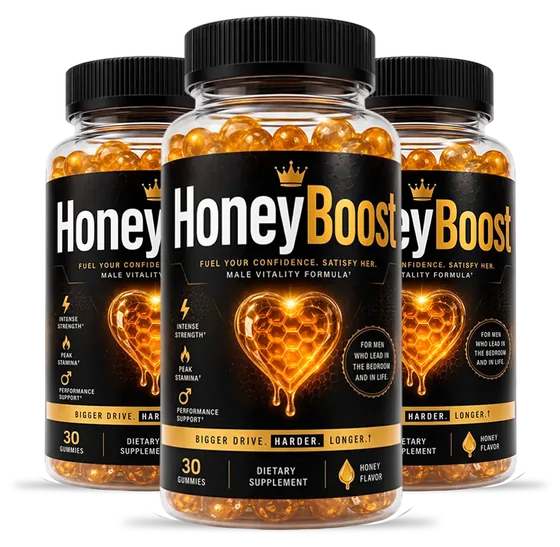
HoneyBoost: from $49 a bottle30 gummies a bottle · 2, 3 or 6 bottles · shipping shown at checkout · 60-day money-back guarantee
See packsQuestions04
What should you ask a seller about an extract?
Ask what part of the plant was used, what the ratio refers to, and whether a lab report for the finished lot exists.
- Which part of the plant is in the extract: root, leaf or seed?
- What solvent and method made it, and what compound is it standardized to, if any?
- Is there a certificate of analysis for this lot?
The seller shows lot references, but no lab report is published, and the label names no manufacturer. The testing and quality page explains what a certificate would show. The companion post on root equivalents covers the "equivalent to" line.
None of this changes the medical advice. If you have an erection concern, a clinician can look for causes that no extract addresses (Mayo Clinic, ED Symptoms and Causes). Keep taking prescribed medicine as directed.
FAQ05
HoneyBoost questions people ask
Is a 100:1 extract stronger than a 5:1 extract?
Not necessarily. A 100:1 extract used more plant per unit of extract, but strength depends on the milligrams you take and on what the extract holds. Compare the printed amount and any named standard, not the ratio alone.
How do you convert extract milligrams to plant milligrams?
Multiply the extract amount by the first number of the ratio. For the HoneyBoost maca line, 10 mg times 10 gives 100 mg of root. The label already prints these equivalents, so the math is a check.
What does standardized to 98% mean on an extract?
It means the maker set a target share of one named compound. On the HoneyBoost mucuna line the target is 98% L-DOPA, so 10 mg holds 9.8 mg. The label names no lab that checked it.
Why do extract ratios differ between ingredients?
Each maker picks its own process for each plant. The HoneyBoost label uses 5:1, 8:1, 10:1 and 100:1 across four herbs. The label does not explain those choices, so the seller is the one to ask.
Does a root equivalent mean the gummy contains that much root?
No. The gummy holds the extract amount, such as 25 mg of tongkat ali, and the equivalent shows how much plant went into it. The 2,500 mg is the plant that went into making the extract, not what sits in the gummy.
Who wrote this06
Written and reviewed by
Pages built from the label, the order page and linked NIH, FDA, FTC, Mayo Clinic and peer-reviewed sources.
Last updated . Read our editorial standards and how we check reviews. This website is the information site for a USA Authorized HoneyBoost Retailer. It is not the manufacturer or the distributor named on the label. We earn money when you buy through our order links.
Keep reading
More about HoneyBoost
USA Authorized HoneyBoost Retailer
Ready to try HoneyBoost?
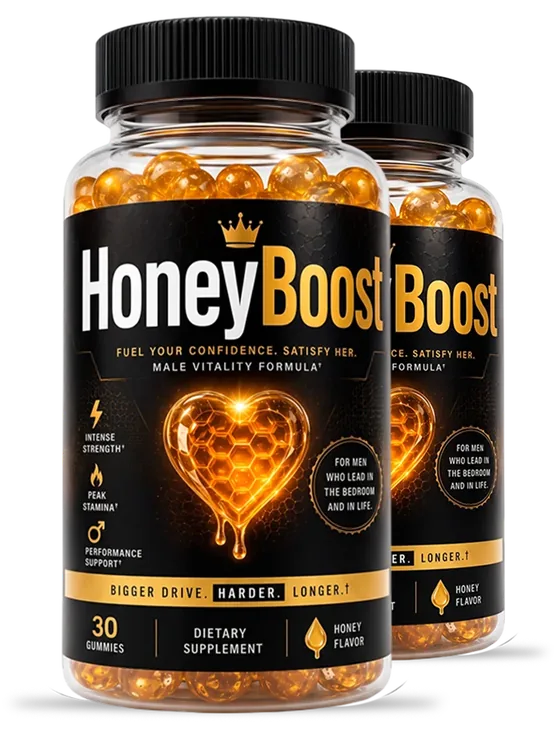
Check your medicines with your doctor or pharmacist first, then pick a pack. Six bottles cost the least per bottle; shipping is shown at checkout; every pack carries the 60-day money-back guarantee (confirm the live policy at checkout).
- Checkout on the sales site
- 60-day money-back guarantee
- Shipping shown at checkout