Blog
HoneyBoost and Fertility: Do Zinc, Maca and Tongkat Ali Help Sperm?
HoneyBoost and fertility have no study in common. Nobody has tested the gummy for sperm count or pregnancy. Its ingredients were studied for other outcomes: zinc and tongkat ali for testosterone, maca for desire, and mucuna in infertile men without a placebo group. Fertility questions belong with a clinician.
Written by the HoneyBoost label deskUpdated · 5 min read
The short answer01
Does HoneyBoost help with fertility?
No source shows that. The label makes no fertility claim, and no study tests HoneyBoost or this seven-line mix on sperm.
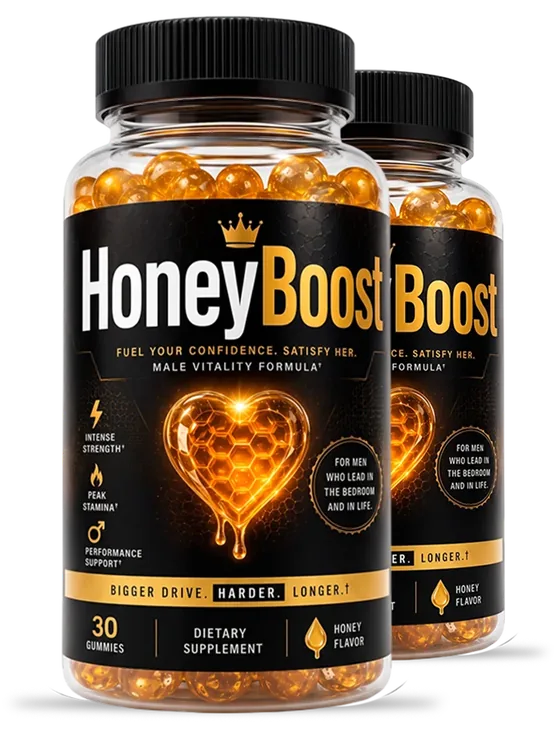
The bottle talks about vitality and drive, not fertility. The FDA box on the label says its statements are not meant to diagnose, treat, cure or prevent any disease, and infertility is a medical condition.
What we can do is read the studies behind four of the label lines, say what each measured, and compare the dose to one gummy. Testosterone, desire and sperm are three different outcomes. A study on one says little about the others.
What was measured02
What did zinc, maca, tongkat ali and mucuna studies measure?
Mostly testosterone and desire. Only maca and mucuna sources mention sperm at all, and neither is clear.
| Label line (per gummy) | What the source measured | Limit |
|---|---|---|
| Zinc 2.5 mg | Testosterone in 9 marginally zinc-deficient older men after 6 months at about 30 mg (Prasad 1996, Zinc Status and Testosterone) | Effect seen only where zinc was low; no sperm outcome |
| Maca extract 10 mg | Memorial Sloan Kettering: data on semen quality are mixed | A few small trials; no testosterone change |
| Tongkat ali extract 25 mg | Total testosterone in five randomized trials | Not a sperm outcome; authors call for more research |
| Mucuna extract 10 mg | Sperm count and motility in infertile men (Shukla 2009, Mucuna and Male Fertility (Fertil Steril)) | No placebo group; abstract gives no dose |
Notice what is missing. No row says "raised sperm count in healthy men taking a gummy." The table is a map of what was studied, not a promise.
The dose gap03
How does one gummy compare with those study doses?
One gummy holds a small fraction of what the studies used, so the research cannot be carried over to the product.
Zinc is 2.5 mg per gummy, about 23% of the 11 mg adult male RDA, and the upper limit is 40 mg a day (NIH ODS, Zinc). The zinc trial above used about 30 mg. That is 8% of the trial dose.
The tongkat ali gummy line is 25 mg of a 100:1 extract. The 6-month trial gave 200 mg a day to men with diagnosed androgen deficiency, so the gummy line is 12.5% of that (Leitao 2021, Tongkat Ali RCT in Aging Males (Maturitas)). The mucuna study gives no dose, and its companion paper used 5 g a day of seed powder, far above the 10 mg extract here.
These are arithmetic comparisons on printed amounts. They do not say the gummy does nothing. They say no one has measured it. Our ingredients page lays out all seven lines the same way.
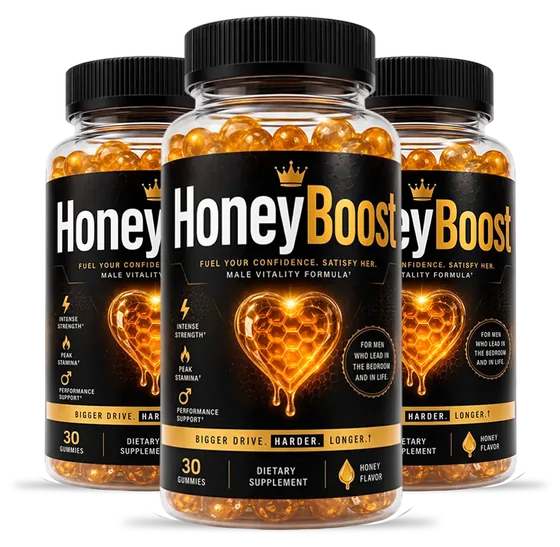
HoneyBoost: from $49 a bottle30 gummies a bottle · 2, 3 or 6 bottles · shipping shown at checkout · 60-day money-back guarantee
See packsIf you are trying to conceive04
What should you do if you are trying to conceive?
See a clinician about the cause, and bring your supplement list. Fertility depends on both partners and on many factors a gummy cannot sort out.
- A semen analysis measures sperm count and motility directly. A supplement label cannot.
- Testosterone is checked with morning blood tests, not guessed from symptoms.
- Tell the clinician about every product, including the 3 g of added sugar in each gummy.
- Keep taking any prescribed medicine and ask your doctor or pharmacist before changing anything.
Our guide to low testosterone basics explains the testing, and the post on HoneyBoost and testosterone covers the claims. A partner who is pregnant or nursing should read the label's warning too.
FAQ05
HoneyBoost questions people ask
Does zinc improve sperm count?
Not on the evidence we cite. The zinc trial measured testosterone in nine marginally zinc-deficient older men, and the NIH fact sheet on zinc does not discuss male fertility. A gummy with 2.5 mg of zinc is not a tested fertility aid.
Does maca improve semen quality?
The evidence is mixed. Memorial Sloan Kettering says data on semen quality are mixed and that only a few small human trials exist. The gummy holds 10 mg of maca extract, far below the doses trialed.
Does mucuna help male infertility?
No. One prospective study in infertile men reported better sperm count and motility after treatment, but it had no placebo group and gave no dose in its abstract. That is a lead, not proof, and it did not test a gummy.
Can HoneyBoost lower sperm count?
No source says so, and none says otherwise. No study tests the gummy for sperm. If you are trying to conceive and take any supplement, tell your clinician so it can be reviewed.
Should a man trying to conceive take HoneyBoost?
Ask a clinician first. The label tells anyone with a medical condition or on other medications to consult a physician, and no study tests the gummy for fertility. A semen analysis gives real numbers.
Who wrote this06
Written and reviewed by
Pages built from the label, the order page and linked NIH, FDA, FTC, Mayo Clinic and peer-reviewed sources.
Last updated . Read our editorial standards and how we check reviews. This website is the information site for a USA Authorized HoneyBoost Retailer. It is not the manufacturer or the distributor named on the label. We earn money when you buy through our order links.
Keep reading
More about HoneyBoost
USA Authorized HoneyBoost Retailer
Ready to try HoneyBoost?
Check your medicines with your doctor or pharmacist first, then pick a pack. Six bottles cost the least per bottle; shipping is shown at checkout; every pack carries the 60-day money-back guarantee (confirm the live policy at checkout).
- Checkout on the sales site
- 60-day money-back guarantee
- Shipping shown at checkout